
| Peso | 599 g |
|---|---|
| Dimensões | 2 × 14 × 22 cm |
| Condição | |
| Formato | |
| Ano | |
| Idioma |
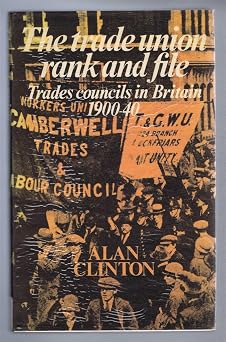
Trade Union Rank and File – Trades Councils in Britain 1900-40
R$121,25
LIVRO
- Autor: Alan Clinton
- Editora: Manchester University Press
- Qtd. Páginas: 262
- Código Estoque: 323382A
1 em estoque
# Preface
This study began in 1966 from an effort to understand why it was that during the General Strike forty years before, ordinary trade unionists showed a zeal and more initiative and imagination than did the leadership. During the 1920s and early ’30s, it slowly became clear that the sub-comments at the local level had never been completed, many records began to disappear. It seemed that the period after 1926 was disgustedly more respectable phrase, such as ‘Trade Union Unity’, appeared less well-known organizations were being broken up and forgotten. In 1934 the London Trades Council, most famous of them all, was wound up.
In recent years historic landmarks have gone, new motor-ways have obliterated the summer of 1966, when research was being actively pursued, material from private workers through since the strength and consciousness of those employed in all industries, had steadily drifted and deflated the Industrial Relations Act, as their forefathers had dealt with the lot of master servants, and the legal judgement which had been delivered on the workers had been ignored. In particular, the organized working class, forced out of office their traditional enemies on the Tory government, faced the question of a united campaign and worked to prepare a programme to defend their various positions on their own class had been changed, often radically.
In the course of these years I have incurred many debts to friends and colleagues who have helped me, academic colleagues who have given me the benefit of their knowledge, and trades council officials and librarians who have allowed me access to records of documents I should probably never otherwise have discovered without their help. I owe a considerable debt to Mrs. M. E. Sims for research on which my original doctoral dissertation was based, and to colleagues at the Charles College of Science, a quarter of the Department of History and other institutions. I am particularly indebted to Professor Henry Pelling,